What's the actual difference between a softener, a filter, and an RO system?+
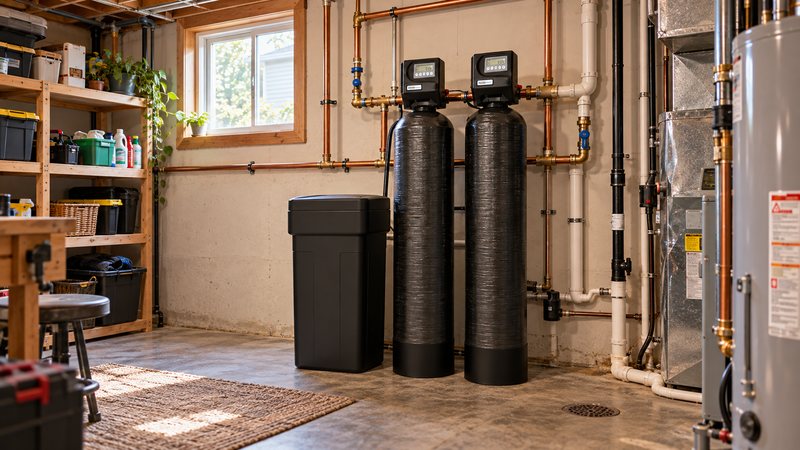
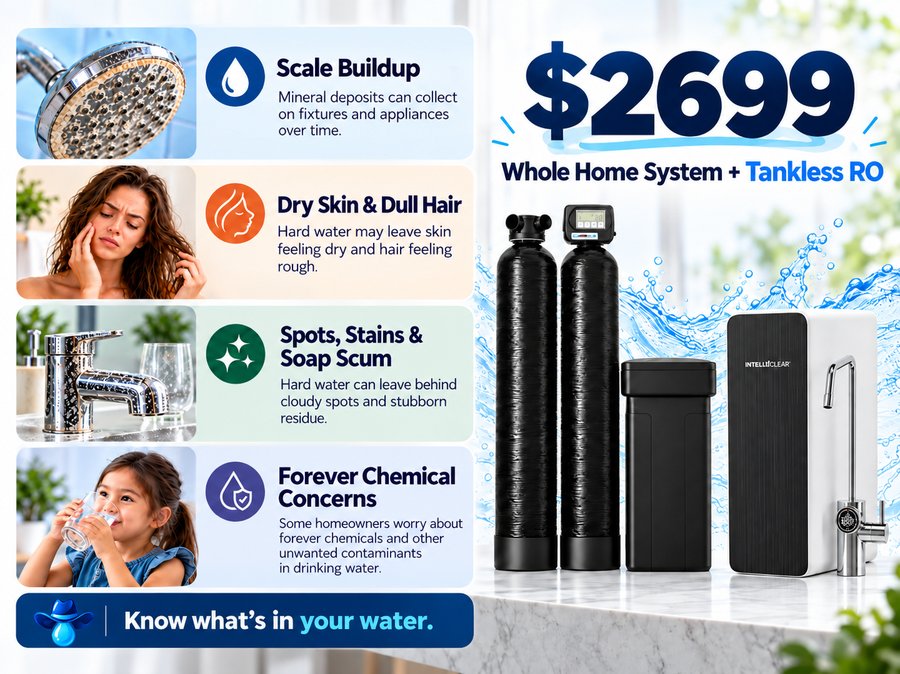
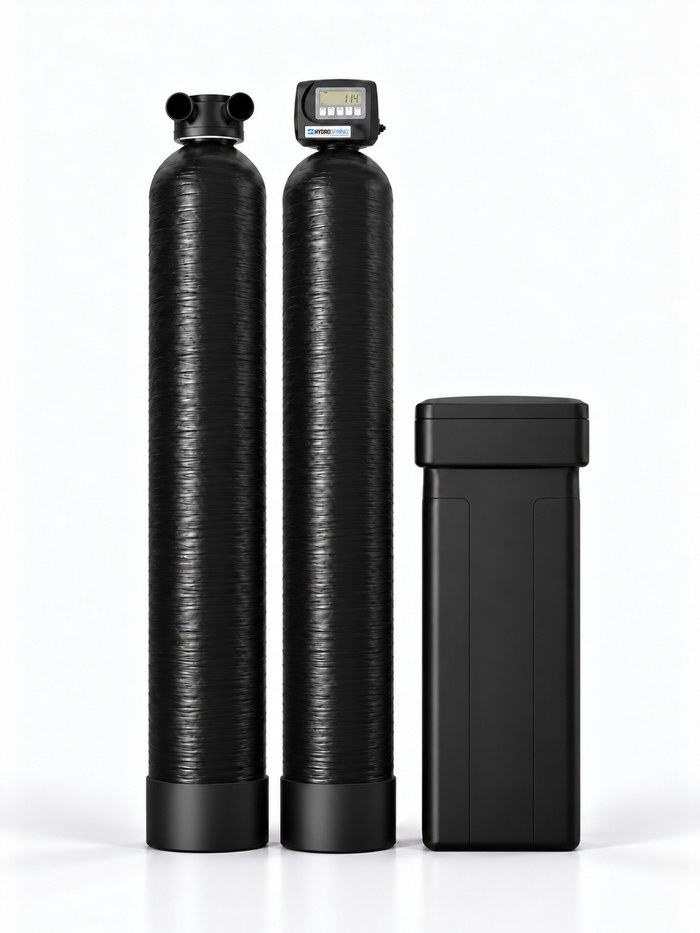
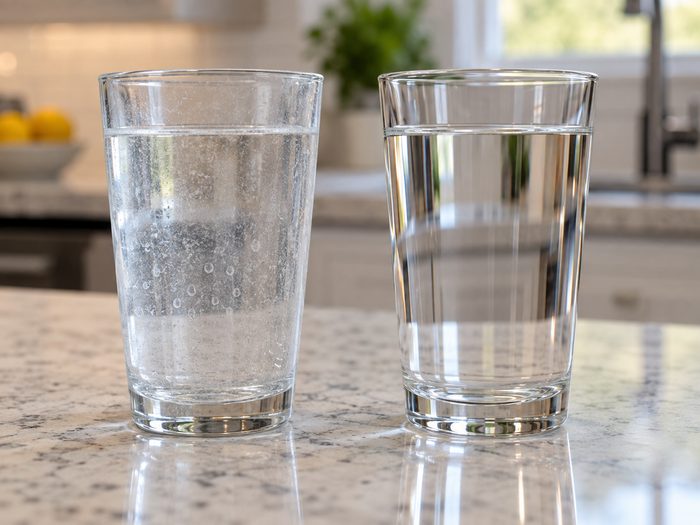
A softener removes the hardness minerals (calcium and magnesium) that cause scale buildup and dry skin — it treats your whole house. A carbon filter removes chlorine taste and smell, also whole-house. A reverse osmosis (RO) system is a separate, more thorough filter just for drinking and cooking water at one faucet. Most homes only need a softener; the other two are add-ons if taste or drinking water quality matter to you too.
Why don't you offer a free in-home water test?+
Because it's usually a sales visit, not a real test. City water hardness is already public record — we use that plus a short quiz to size your system accurately without putting a rep in your kitchen.
Is the price on this page really the final price?+
Yes. Each package is a flat, installed price that includes standard permitting and any code-required parts for that scope of work — for example, Complete includes the required backflow safety valve. The only thing that changes is the package itself.
Starter is $799, so why is adding the same RO system to Complete so much less than $799 extra?+
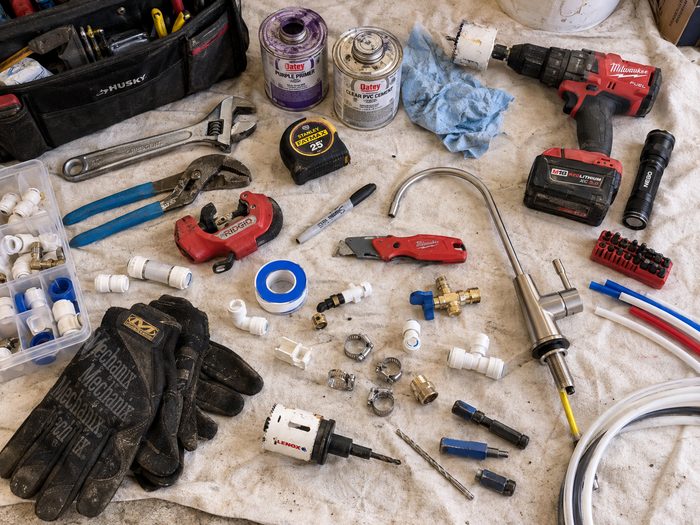
Because most of a standalone Starter visit's cost is the visit itself — a technician, permitting, and access, all for one small under-sink system. When RO is added onto a whole-home softener install, that technician is already on-site for the bigger job, so adding the RO unit is a smaller incremental step, not a second full appointment. You're paying for one visit, not two.
Do I need a softener if I already have decent water pressure?+
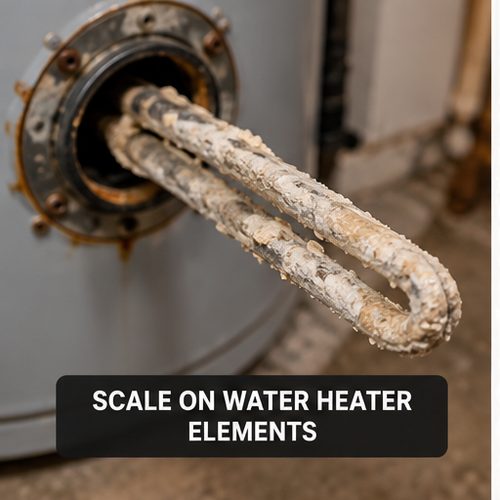
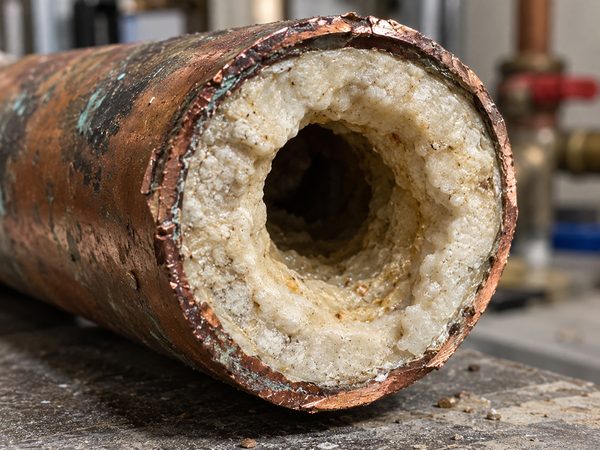
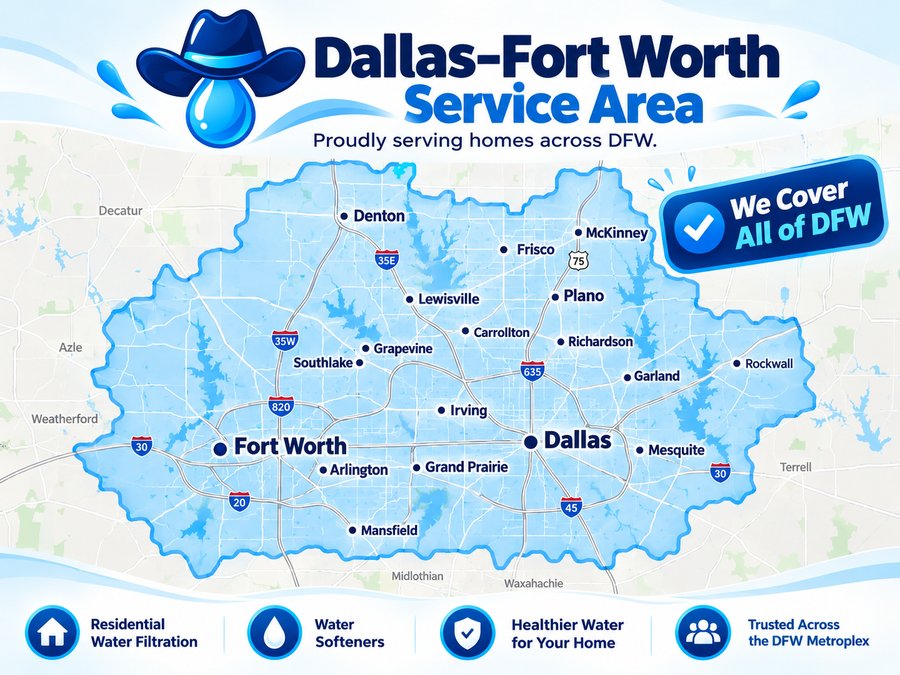
Hardness and pressure aren't related — hardness is mineral content, not flow. Most DFW ZIP codes run 10+ grains per gallon, which is enough to scale fixtures and appliances over time regardless of pressure.
How long does install take?+
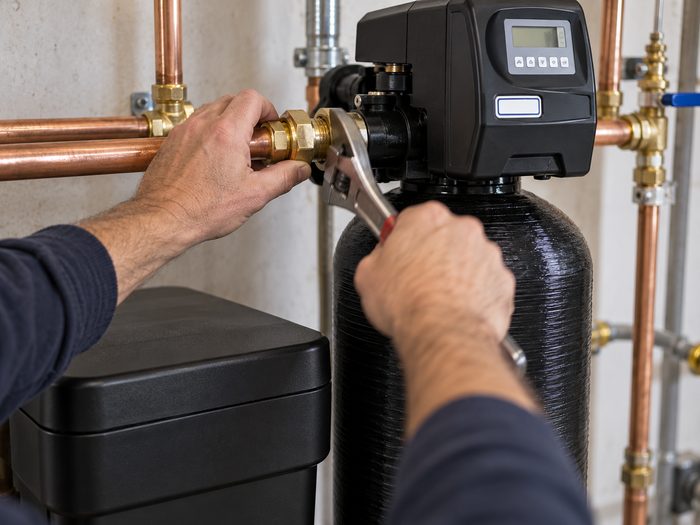
Starter and Essential are typically same-day, a few hours, since each involves just one system. Complete adds kitchen work on top of the utility room, so plan for a fuller day — we'll confirm timing when you book.
Do you service well water, not just city water?+
Our packages above are built around city water in DFW. If you're on a private well, give us a call — well water often needs additional iron or sediment treatment beyond these packages.
When do I actually pay?+
Not upfront. We invoice once the job is done and your system is installed and tested working — you're not paying a deposit to hold a date or paying before you've seen the result.
Can I cancel or reschedule after booking?+
Yes. Booking a call or install date through this site starts a conversation, not a binding contract — nothing is finalized until you actually agree to a specific package and date. Call or text anytime to reschedule.
What equipment do you actually install?+
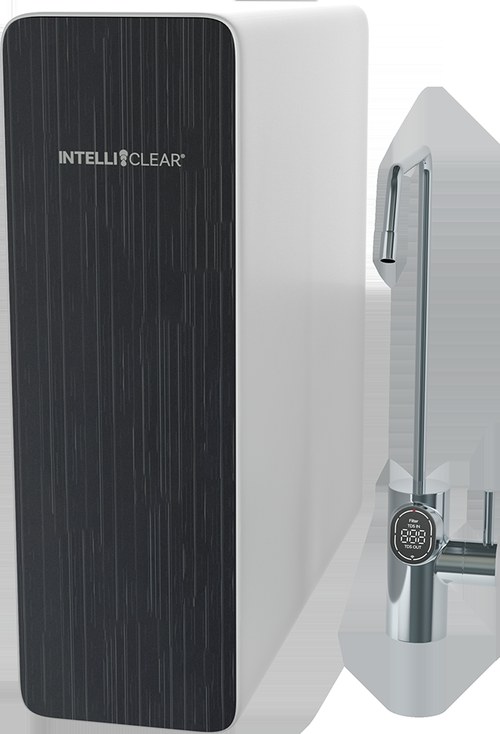
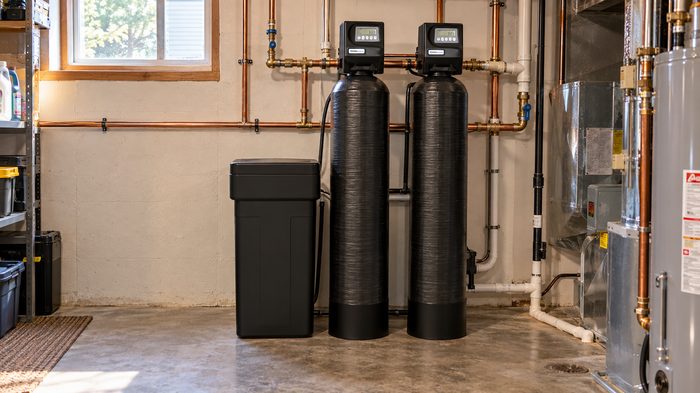
A HydroSpring water softener for whole-home softening, an IntelliClear reverse osmosis system for drinking water, and a catalytic carbon filtration system for chlorine taste and smell. Real brands, not a generic house label — see
the full equipment specs for details on each.
I rent my home — can I still get a system installed?+
You'll need your landlord's permission, since any install that connects to the main water line is a real plumbing modification. Once you have that sign-off, we can install it the same way we would for an owner.
What if my ZIP's published hardness reading doesn't match my actual water?+
It happens occasionally — older neighborhoods, mixed water sources, or a private well can all cause this. That's exactly why our guarantee isn't tied to the published number: we calibrate the softener to your home's real reading on install day, and guarantee under 1 grain per gallon regardless of what the ZIP data said going in.
Do I need to be home during the install?+
Yes, for at least the start and end of the job — someone needs to grant access and walk through the finished system with the tech so you know how it works before we leave.
What maintenance does a water softener actually need?+
Keep the salt tank filled — that's genuinely most of it. The system runs an automatic regeneration cycle to recharge itself; you just need to make sure it has salt to work with, roughly every 4-8 weeks depending on your household size and hardness level.
Why is your price different from other quotes I've gotten?+
Most water treatment companies quote a "sticker" price that a commissioned rep has room to move on, depending on how the in-home conversation goes — so two neighbors can get two very different numbers for the same job. We publish one flat price per package instead, so there's nothing to negotiate and nothing that depends on who you happened to talk to.
What's the warranty on the equipment?+
Factory-backed, by component: 5 years on the control valve, 7 years on the media tank, 5 years on the ion exchange media, and 3 years on the carbon media. Coverage varies by part because each one wears differently — the tank itself should outlast several valve replacements, for example — so we give you the real number for each rather than one vague "warranty" headline.